
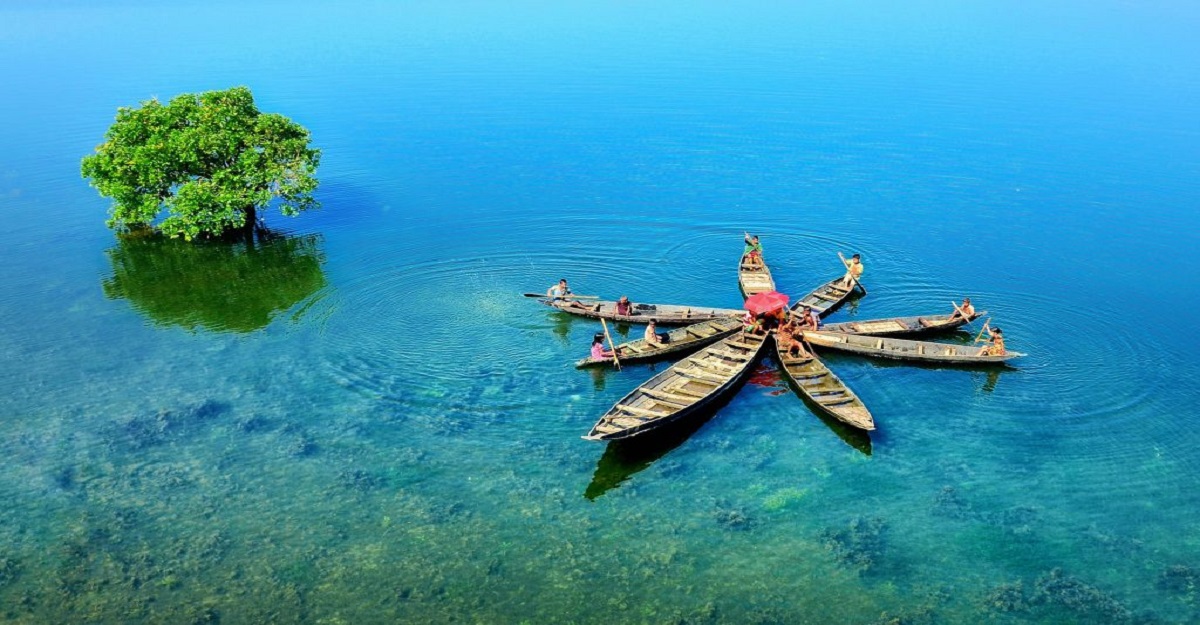
 © Dhaka Post
She crossed frozen land to reach Tanguar Haor. Her parents did not leave alive. Winter fog still covers the water, but the silence is gone. Boat engines carry across the haor. Plastic floats where plants once held fish and birds in place. Below, tourists raise their phones. Above them, a migratory bird circles and does not land. Tanguar Haor- the second largest wetland in Bangladesh stopped moving with seasons and started breaking under noise.
Winter fog lay heavy over Tanguar Haor that morning, thick enough to hide distance.
I stood there watching the haor wake up slowly, as it always does in winter.
A boat engine coughed somewhere far behind me. I stood still, letting the sound pass. The water carried it anyway.
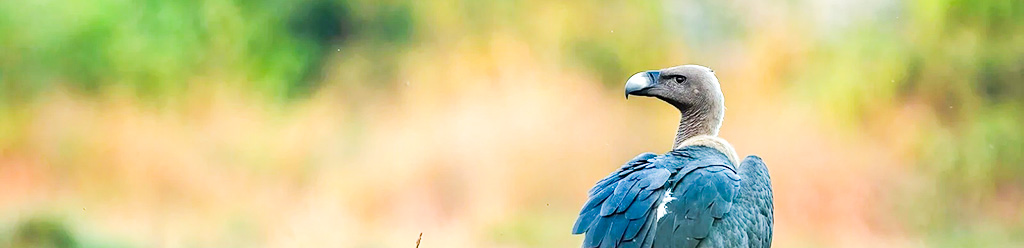
That was when I noticed the bird.
She had been here before. I named her Aurora.
Last winter, she came with her parents. They crossed frozen land and open sky to reach this wetland. They did not die from hunger. They died here. Poisoned water. Constant noise. The kind of disturbance that never lets a body rest.
Aurora survived.
This year, she returned without them.
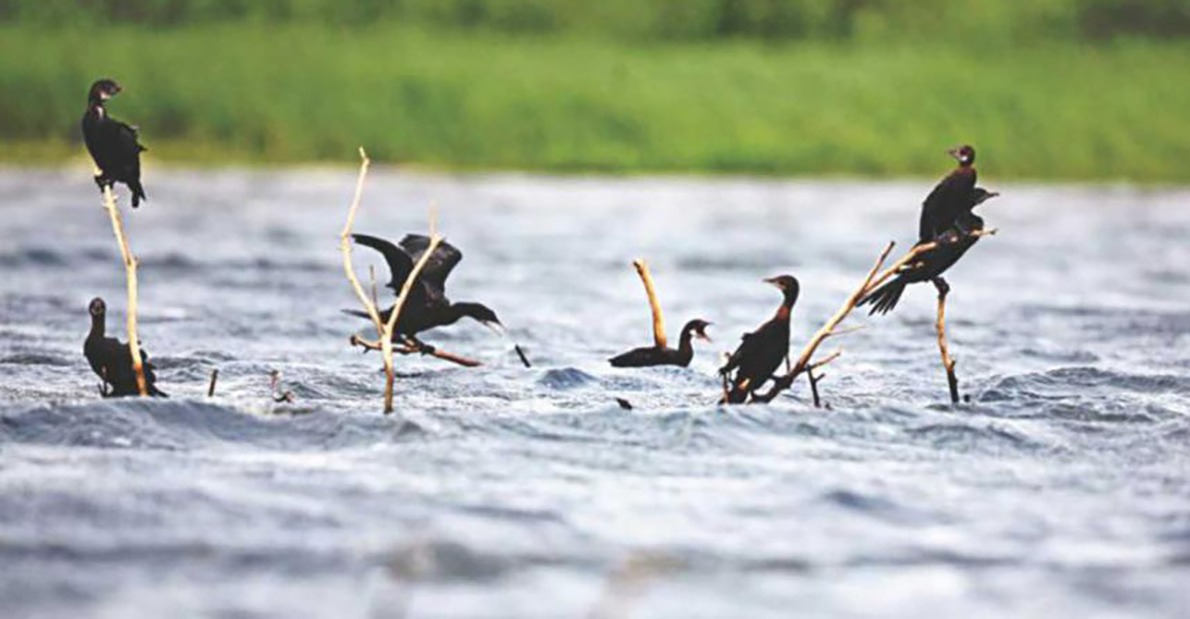 Study reveals that 60 percent of 39 waterbird species have declined in Tanguar Haor in Sunamganj during 2008-2021 © Daily Star
Aurora flew low over the water, circling a stretch of haor that looked no different from the rest. Below her, tourists leaned over boats, phones raised. A family laughed, holding hands for a picture.
For a moment, I wondered if she could see them the way I did. Warm. Safe. Untouched by consequence.
Not long ago, this place moved with seasons, not schedules. During monsoon, water spread wide, more than a hundred square kilometers of freshwater. In winter, it withdrew gently, leaving shallow beels where fish bred and birds rested. Over 140 fish species once lived here. More than 200 bird species arrived each winter. Aquatic plants covered most of the surface, holding the system together without asking for attention. (IUCN Bangladesh, 2015; Rahman et al., 2020).
Engine-powered tourist boats cut through breeding grounds. Fuel leaks stain the water. Waves destroy spawning beds before anyone notices. Fish diversity has fallen by nearly forty percent. The total catch is almost half of what it was a decade ago. Species that once filled nets now exist only in reports. (Rahman et al., 2020; Daily Sun, 2025).
The birds responded first.
Winter bird counts that once crossed two hundred thousand have dropped by more than half. Boats approach resting zones too closely. Illegal hunting continues. (Observer BD, 2025; Mongabay, 2023)
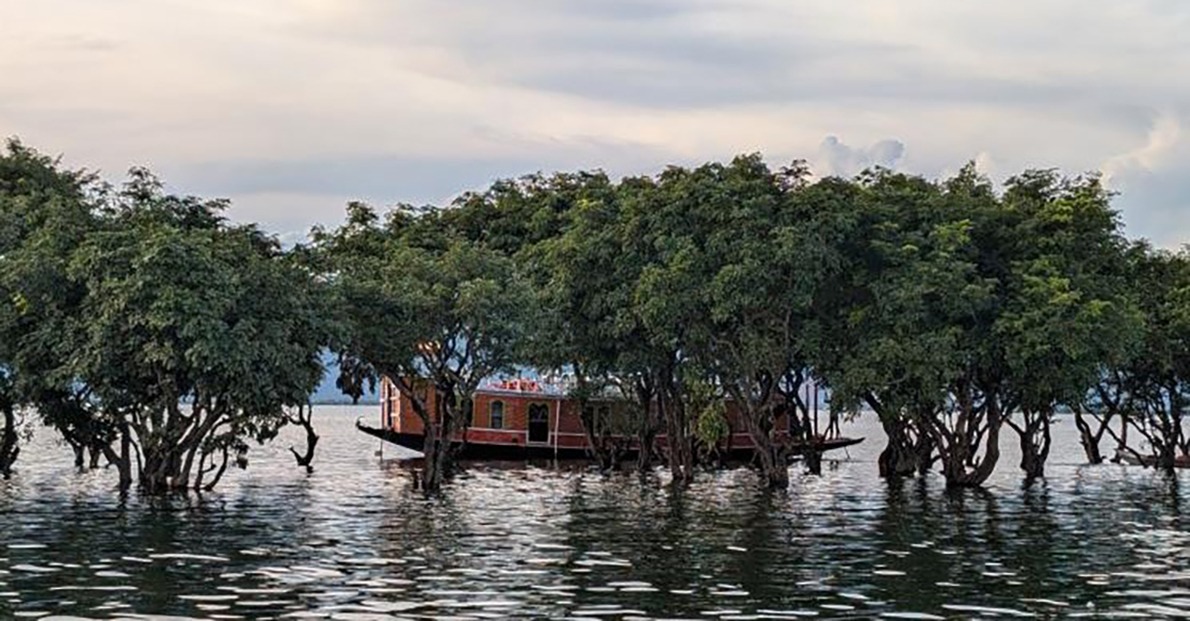 Unmanaged tourism is one of the main reasons to the degradation of the Tanguar Haor © Rakibul Islam
Food sources shrink. Nesting fails more often than it succeeds. Aurora did not land. She only watched.
Plastic floats where plants once grew. Waste and oil have pushed pollution levels up by about forty percent. Oxygen drops. Disease spreads. Fish die quietly. (Observer BD, 2025)
Tourism brings money. Some households earn more. But the cost settles elsewhere. Traditional fishing income has fallen by over a third. Families leave. Knowledge disappears with them. The haor remains, but fewer people belong to it. (Solayman et al., 2018; Daily Sun, 2025)
Aurora climbed higher, then turned north.
She did not circle again.
Below, Tanguar Haor lay still. Not empty. Not alive the way it used to be. Just waiting, as places do, when the next decision is not theirs to make.
* The opinions expressed here are the author’s own and do not represent the official views of Arannayk Foundation.

Comments