 © Arannayk Foundation
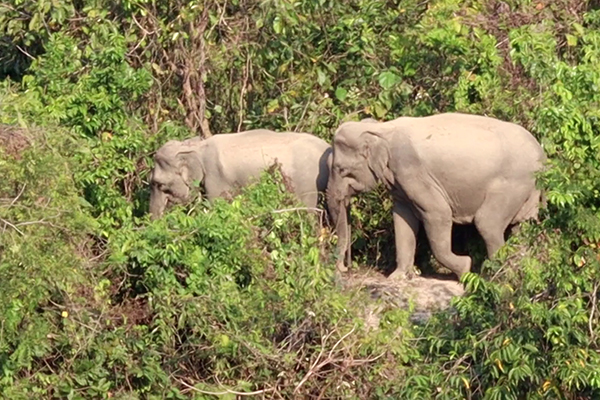
The Asian elephant (Elephas maximus) has long held significant ecological, cultural, and religious importance across Asia. As a keystone species, it plays a vital role in maintaining ecosystem health and ecological balance. However, elephant populations across much of their range are increasingly fragmented and isolated due to multiple and interconnected threats, including habitat loss and degradation, human encroachment, and escalating Human–Elephant Conflict (HEC). As one of the 13 Asian elephant range countries, Bangladesh has an important responsibility to contribute to regional and global efforts to conserve this iconic species. The country’s Asian elephant population is estimated at approximately 210–330 individuals and is classified as Critically Endangered nationally.
The survival of wild elephants in Bangladesh is increasingly threatened by habitat degradation, food scarcity, direct killing, and the fragmentation of traditional movement routes and ecological corridors. Encroachment, agricultural expansion, and the establishment of human settlements in and around elephant habitats further restrict elephant movement and access to essential resources. These pressures have intensified human–elephant conflict, resulting in human casualties, crop damage, destruction of property and other livelihood losses. In some cases, these conflicts have also led to retaliatory killings of elephants by affected communities, further jeopardizing the long-term survival of the species.
Effective elephant conservation requires a comprehensive, coordinated, and sustained approach involving government institutions, conservation organizations, local communities, researchers, and other relevant stakeholders. Key priorities include strengthening scientific research and knowledge management; improving policies, institutional capacity, and law enforcement; protecting and restoring elephant habitats and movement corridors; reducing human–elephant conflict; promoting awareness through communication and education; and fostering collaboration among stakeholders. Over the past two decades, the Government of Bangladesh has undertaken several initiatives to conserve wild elephants. However, the need for a more coordinated, systematic, and long-term approach remains critical.
An important milestone in this regard was the development of the Bangladesh Elephant Conservation Action Plan 2018–2027 (BECAP), the first national action plan of its kind. Government-owned, the BECAP provides a strategic framework, vision, goals, and objectives to guide integrated and focused elephant conservation interventions in Bangladesh. It establishes a foundation for coordinated conservation planning and management, emphasizing the need for sustained action to secure the future of the country’s wild elephant population.
The Bangladesh Forest Department (BFD), under the Ministry of Environment, Forest and Climate Change (MoEFCC), has received financial support from the Government of Bangladesh (GoB) to implement the Elephant Conservation Project over a three-year period, from 1 July 2025 to 30 June 2028. The project aims to strengthen elephant conservation in Bangladesh through the protection of elephant habitats, reduction of human–elephant conflict (HEC), enhancement of scientific knowledge and information systems, strengthening of institutional capacity, and promotion of community-based conservation approaches.
As part of this initiative, the Bangladesh Forest Department has engaged Arannayk Foundation to provide technical assistance for the implementation of the Elephant Conservation Project. Through this engagement, Arannayk Foundation will contribute technical expertise and support to strengthen the scientific evidence base for elephant conservation, improve understanding of elephant populations and movement patterns, assess HEC and associated challenges, and inform the development of effective conservation strategies and management interventions. These efforts are intended to support evidence-based decision-making, strengthen institutional and stakeholder collaboration, and contribute to the long-term conservation of Asian elephants and the promotion of sustainable human–elephant coexistence in Bangladesh.
Objectives
a) Conduct a nationwide elephant population census covering wild, migratory, and captive elephants in Bangladesh.
b) Identify, survey, and map elephant movement routes, ecological corridors, and transboundary crossing points to support habitat connectivity and landscape-level conservation planning.
c) Identify and map human–elephant conflict (HEC) hotspots nationwide, documenting affected communities, households, and families to assess the extent and distribution of conflict-related impacts.
d) Develop the Bangladesh Elephant Conservation Action Plan 2028–2037 to guide strategic, evidence-based, and coordinated elephant conservation efforts across the country.
e) Develop area-specific, evidence-based HEC mitigation and management plans for key conflict hotspot regions, tailored to local ecological, socioeconomic, and institutional contexts.
f) Develop a comprehensive national digital HEC information system to integrate, manage, and analyse spatial data, conflict incidents, affected households and communities, elephant observations, and movement routes and corridors.
g) Formulate and implement area-specific HEC mitigation plans across Bangladesh, prioritizing identified conflict-prone areas and affected communities.
h) Develop a multi-agency elephant rescue and HEC emergency response framework to strengthen coordination among relevant government agencies, law enforcement authorities, and other stakeholders.
i) Develop comprehensive training manuals covering elephant population estimation, elephant collaring, HEC management, and elephant rescue and emergency response operations.
j) Conduct capacity-building and technical training for Bangladesh Forest Department (BFD) officials on elephant population estimation, collaring techniques, HEC management, and rescue operations.
k) Strengthen the technical and operational capacity of Elephant Response Team (ERT) members to improve their effectiveness in HEC prevention, mitigation, incident management, and emergency response.
l) Develop computer- and mobile-based applications to facilitate elephant observation and reporting, support research and data collection, strengthen conservation information management, and promote public awareness and participation in elephant conservation.
 © M Tarik Kabir, PhD
The project (November 2026 – May 2029) is a conservation initiative led by the Arannayk Foundation in partnership with the Bangladesh Forest Department (BFD) and funded by the Rainforest Trust (USA). The project seeks to evaluate the feasibility of formally designating of the Hararganj (Atora) Reserved Forest as a Protected Area, subject to multi-stakeholder consent. Spanning 79 square kilometers of se... Read more
Location: Moulvibazar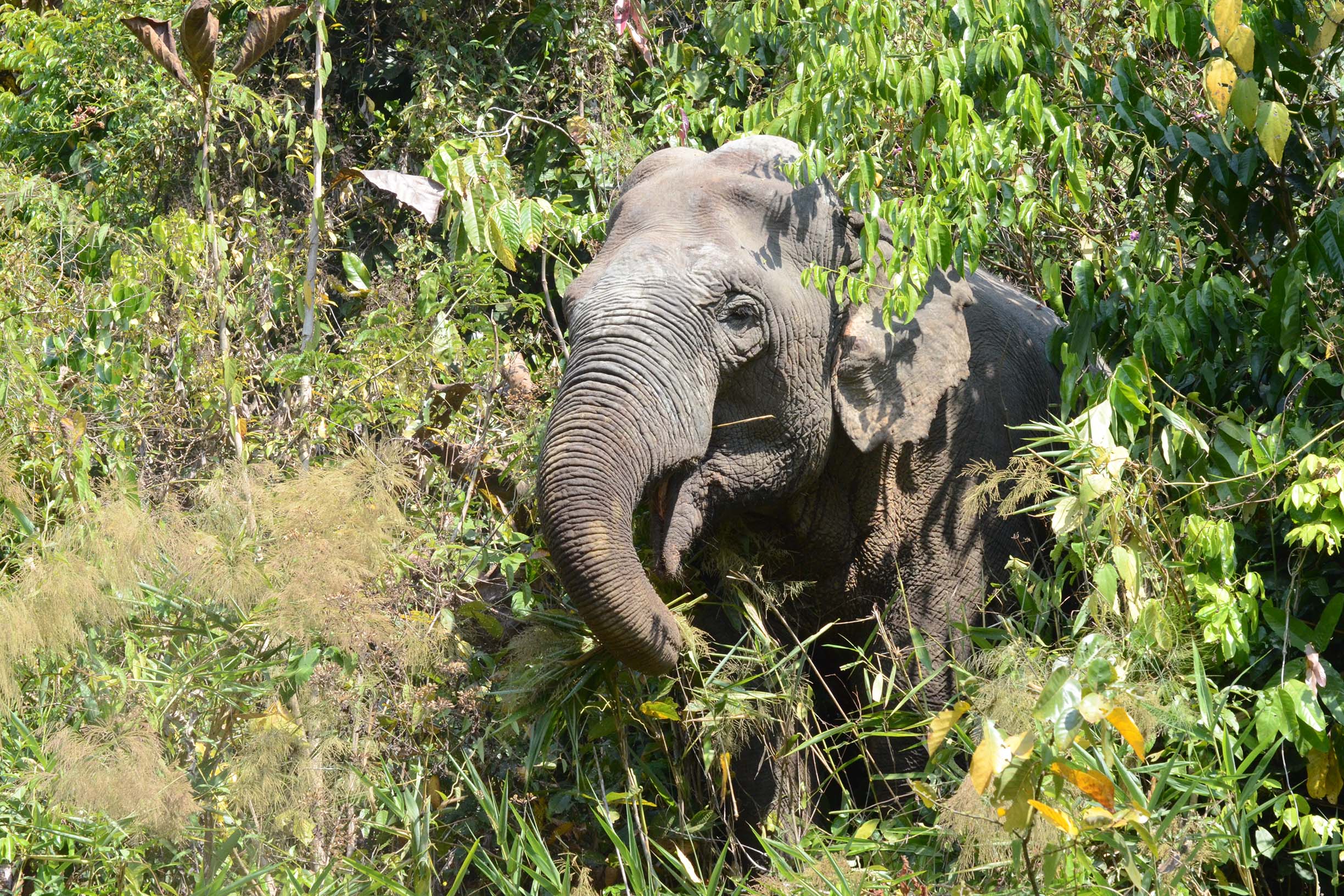 © Sultan Ahmed
Scaling up Human–Wildlife Conflict (HWC) mitigation interventions, strengthening institutional linkages, and evaluating effectiveness project aims to reduce human-wildlife conflict and promote safer coexistence between people and wildlife in Cox's Bazar by strengthening community capacity, improving institutional coordination, and promoting practical, evidence-based mitigation measures. Working closely with... Read more
Location: Cox's Bazar © Arannayk Foundation/Zawyad Bin Mostofa
The Competition for Ecosystem Services (CES) Experiment in Bangladesh is a collaborative research initiative led by Waseda University in partnership with a research team from Kwansei Gakuin University, Sophia University, Chittagong University, and Gazipur Agricultural University. Arannayk Foundation is implementing the project's field activities across the Chittagong Hill Tracts (CHT). The project int... Read more
Location: Bandarban, Khagrachari, Rangamati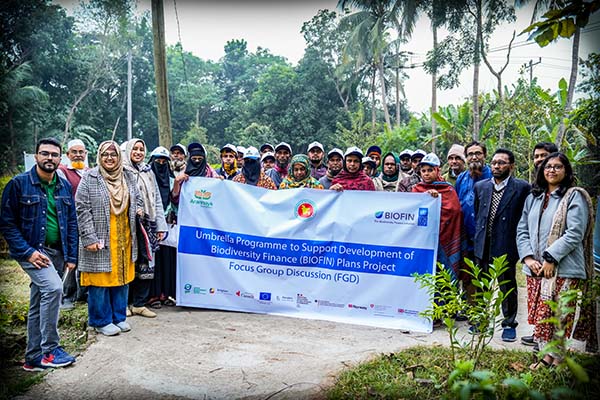 © Arannayk Foundation/Arifur Rahman
The Biodiversity Finance Initiative (BIOFIN) is a global program led by the United Nations Development Programme (UNDP) that supports countries in developing sustainable financing solutions for biodiversity conservation. In Bangladesh, Arannayk Foundation is facilitating a nationwide consultation process under the leadership of the Ministry of Environment, Forest and Climate Change (MoEFCC) to support the d... Read more
Location: Bandarban, Khulna, Cox's Bazar, Dinajpur, Mymensingh, Dhaka, Barisal, Sylhet, Chattogram, Rajshahi, Rangpur, Kishoreganj, Patuakhali, Noakhali, Rangamati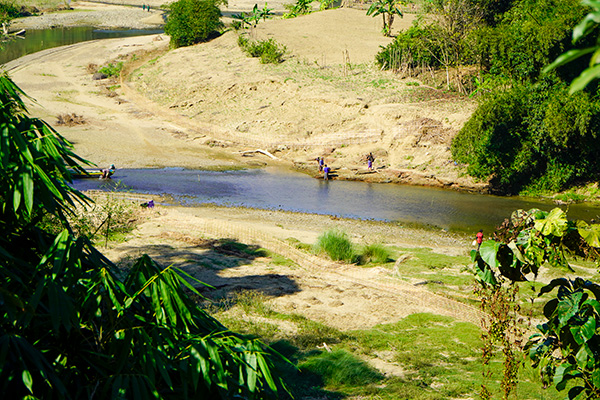 © AF photo library
This project is a critical transboundary conservation initiative to be implemented jointly by Arannayk Foundation in Bangladesh and Aaranyak in India. The project seeks to ensure the long-term survival of endangered big cats and restore ecological balance across their shared habitats in the Kasalong Reserve Forest and Sangu–Matamuhuri Reserve Forest in Bangladesh, and the Dampa Tiger Reserve in India. ... Read more
Location: Bandarban, Rangamati, Mizoram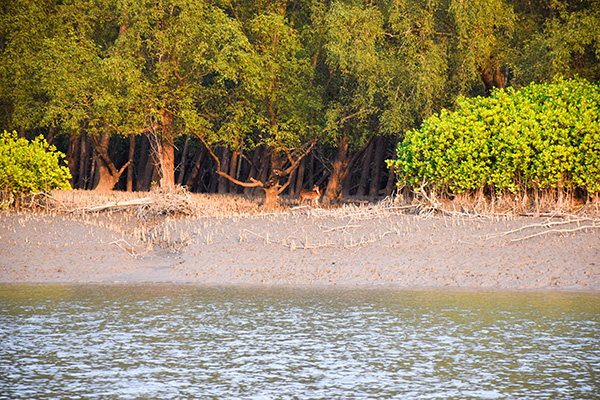 © AF/Arifur Rahman
Arannayk Foundation has undertaken a project titled “Monitoring Crime-prone Hotspots for Tiger and Deer Poaching in the Sundarbans through Camera Trapping”. This initiative is funded by the Bangladesh Forest Department under Sundarbans Tiger Conservation Project.With the aims of generating evidence-based conservation actions, the project findings will strengthen wildlife conservation and law enforcement str... Read more
Location: Bagerhat, Khulna, Satkhira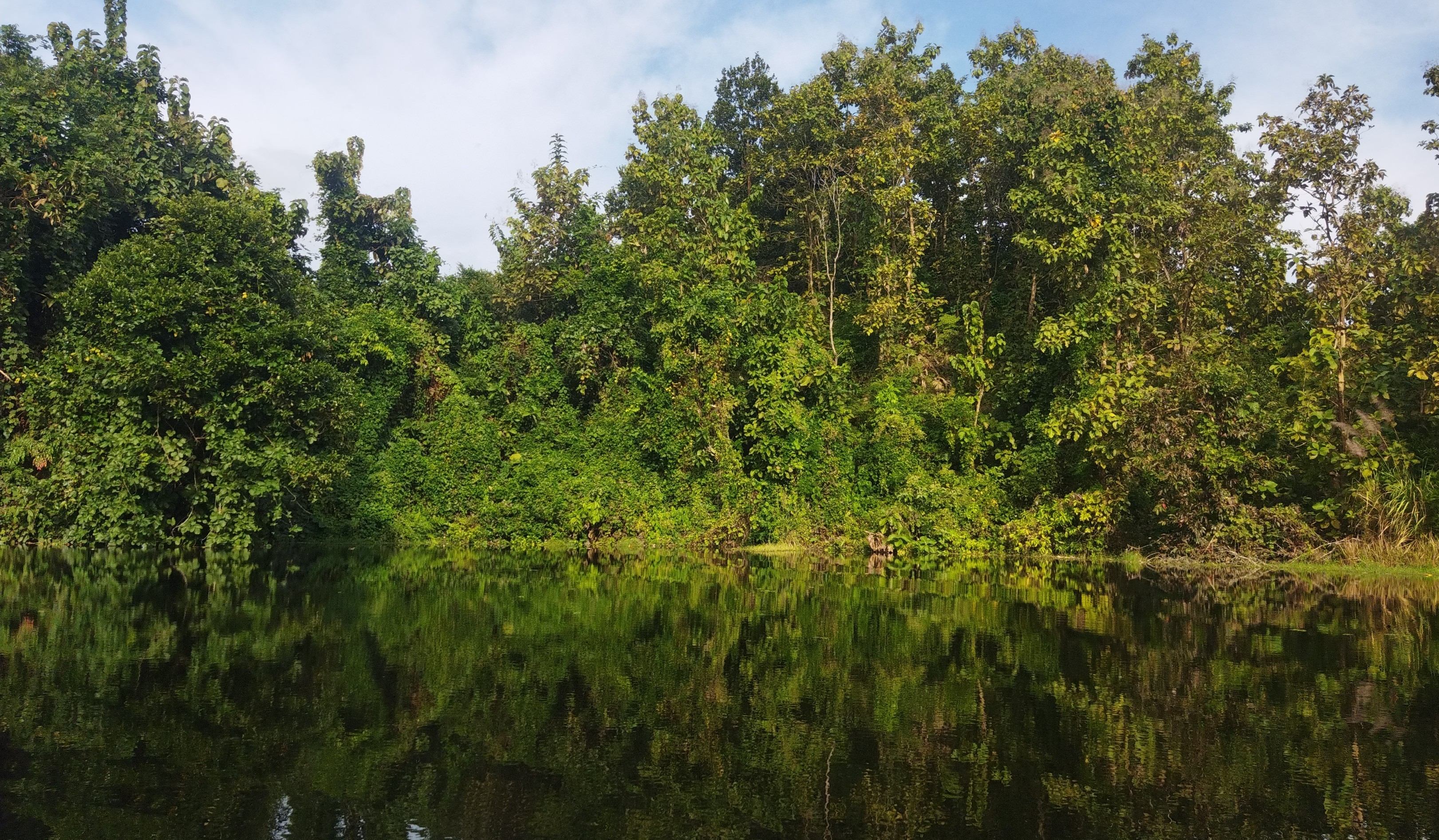
Arannayk Foundation, in collaboration with EQMS, is developing master plans for five ecoparks: Banshkhali Ecopark (Chattogram), Botanical Garden and Ecopark (Sitakunda), Borshijora Ecopark (Moulvibazar), Rajeshpur Ecopark (Cumilla), and Tilagar Ecopark (Sylhet).The work involves floral and faunal surveys, digital topographic mapping, needs assessments of visitors and local communities, stakeholder consultat... Read more
Location: Moulvibazar, Chattogram, Comilla, Sylhet © AF photo library
The project (March 2024 – June 2027) aims to scale up forest landscape restoration (FLR) across Bandarban Hill District using proven models developed under the earlier CHT-FLR project (part of USAID’s COMPASS Activity). It also seeks to develop a more productive and climate-resilient alternative to the current practice of short-rotation shifting cultivation. The project promotes inclusive, community-led res... Read more
Location: Bandarban © AF/Fahmina Sarkar Borsha
This national initiative aims to enhance the Bangladesh Forest Department’s (BFD) capacity to prevent, detect, and respond to wildlife crime across the country. Arannayk Foundation, with support from the United States Forest Service (USFS), is facilitating a comprehensive institutional strengthening process.Key interventions include the formation of a ten-member Curriculum Review Committee (CRC), a gap anal... Read more
Location: All Over Bangladesh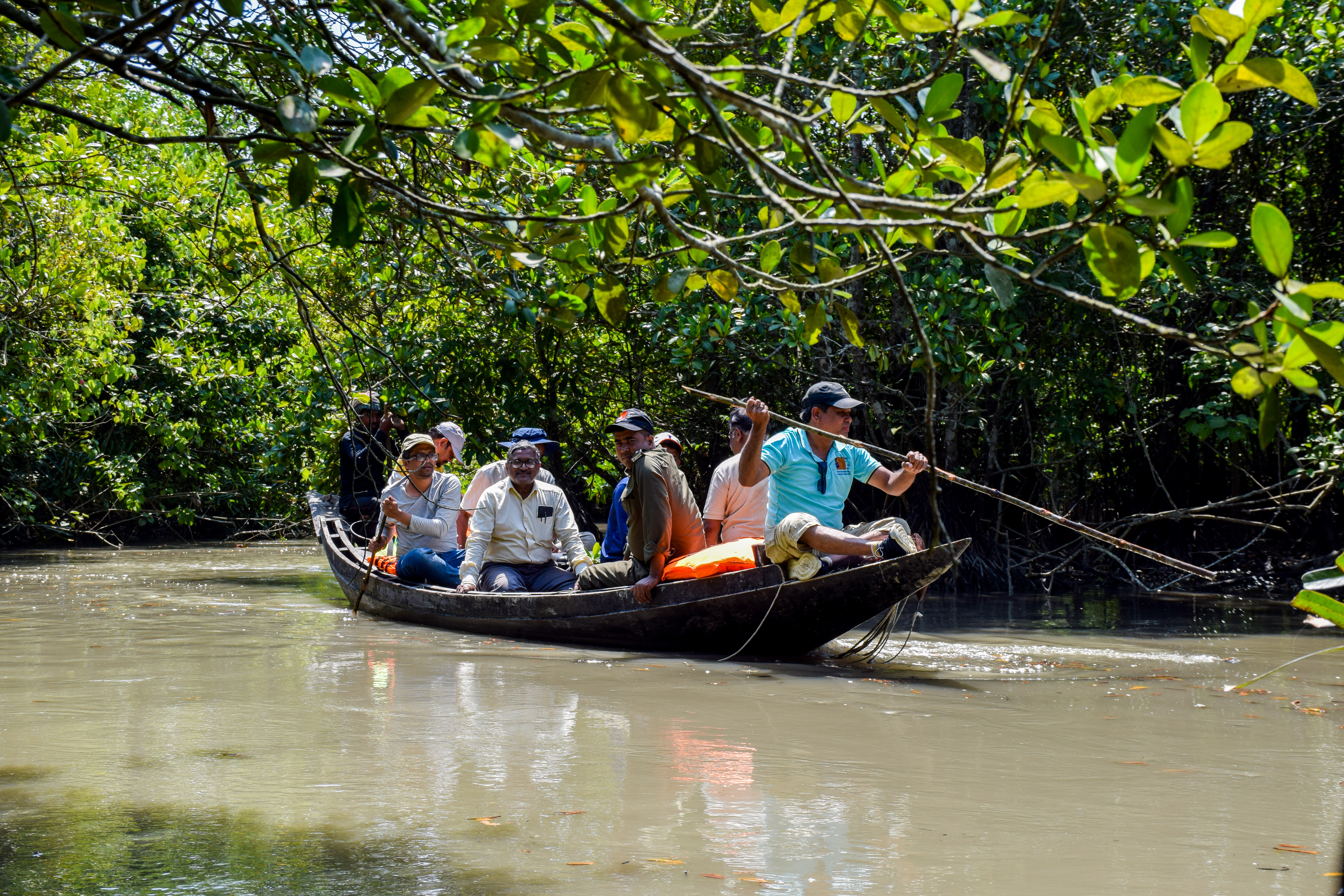 © AF/Arifur Rahman
Arannayk Foundation, in collaboration with the Center for Environmental and Geographic Information Services (CEGIS), is supporting the development of an updated Integrated Resource Management Plan (IRMP) for the Sundarbans Reserve Forest (SRF) for the period 2025–2035.The plan will reflect the current status of forest resources and set out a 10-year framework for biodiversity conservation and sustainable re... Read more
Location: Bagerhat, Khulna, Satkhira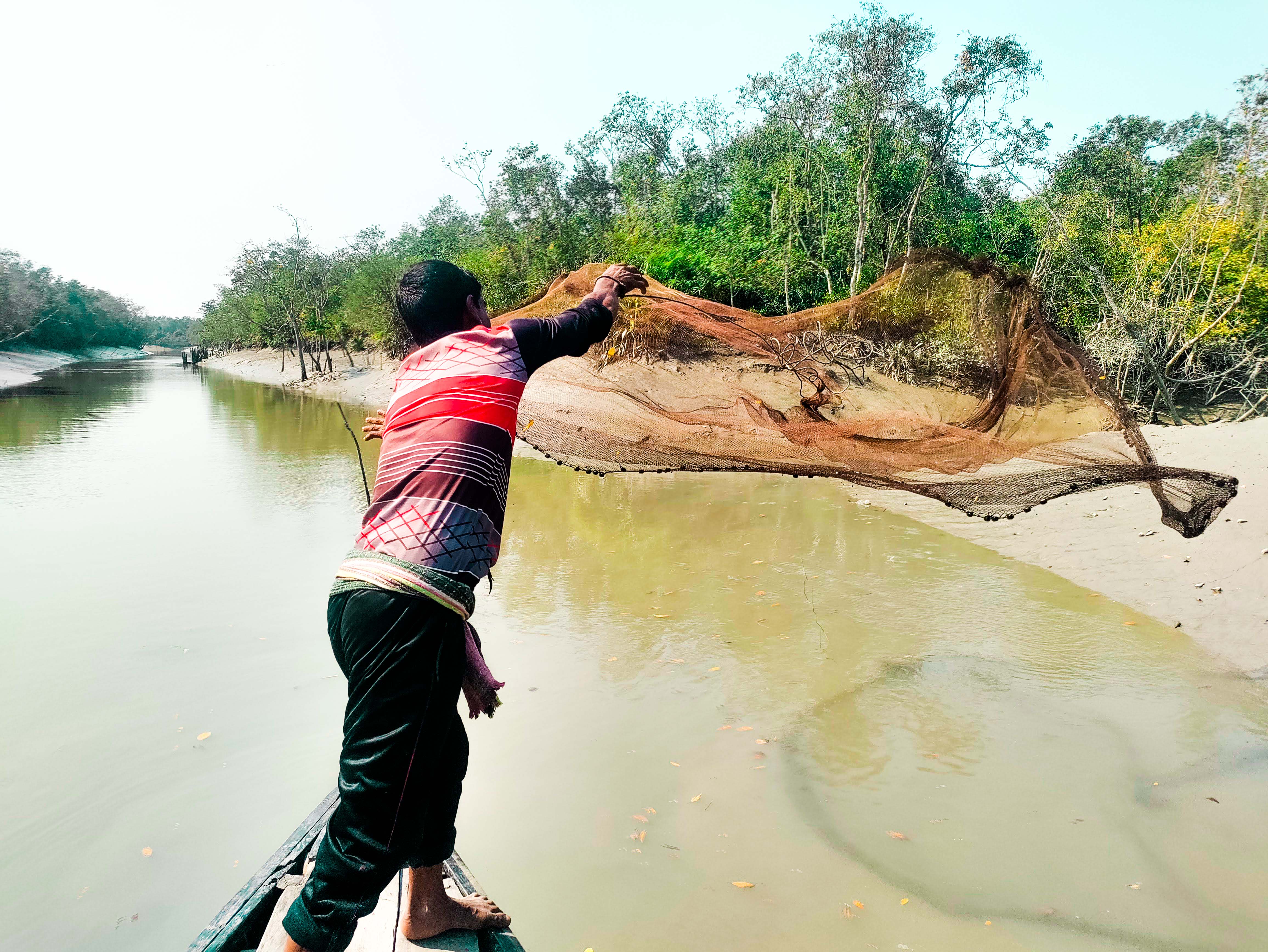 © AF/Arifur Rahman
Arannayk Foundation, in collaboration with the Center for Natural Resources Studies (CNRS), is conducting a comprehensive assessment of the aquatic resources of the Sundarbans, funded by the Bangladesh Forest Department. The study aims to support the conservation and sustainable use of coastal biodiversity and ecosystem services by informing future aquatic resource management strategies.The assessment focus... Read more
Location: Bagerhat, Khulna, Satkhira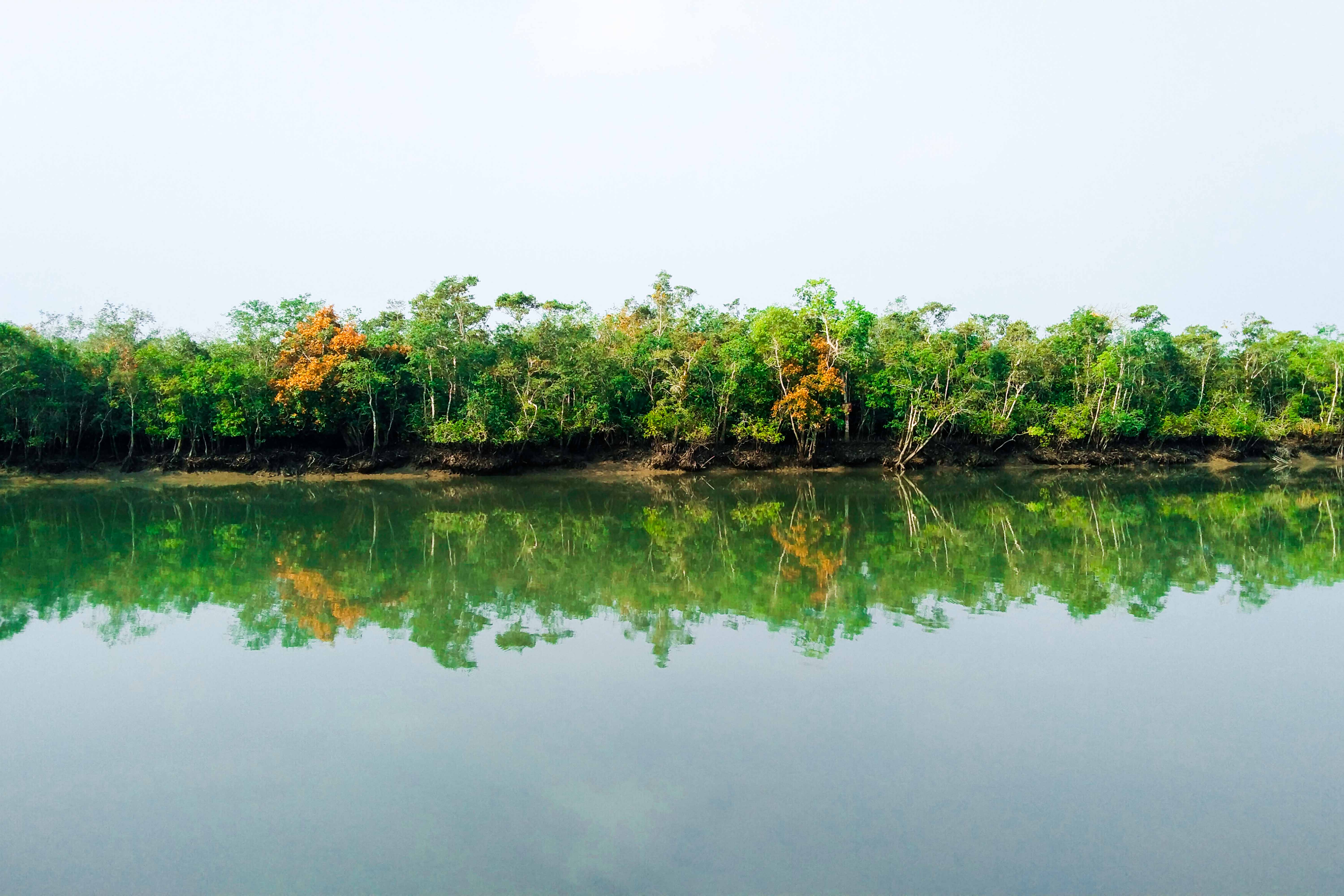 © AF/Md. Sahidul Islam
The project Under the Protection of Sundarban Mangrove Forests Project (PSMFP) supports long-term ecological monitoring of the Sundarbans to inform sustainable management of the world’s largest mangrove forest. Jointly implemented by CEGIS and Arannayk Foundation, the study focuses on assessing the health of the Sundarbans ecosystem through physical, chemical, and biological indicators. As part of its role,... Read more
Location: Satkhira, Bagerhat, Khulna







Be a part of our mission. Support communities, protect nature, and build a greener, fairer Bangladesh for today and tomorrow.
See Our Vacancies
Lend your time and skills to protect forests, support communities, and make a difference for people and nature. For internships, send your CV to communications@arannayk.org, with the subject line: Internship application_Candidate Name.
Join Us © AF/Arifur Rahman
Partner with us in transparency and trust. Supply goods and services that support conservation, community development, and sustainable impact.
See AdvertisementTogether we are part of a growing, global movement determined to bring about the changes our planet desperately needs.


